Turning your passion for art into a sustainable business is an exciting yet challenging journey. Whether you’re a painter, illustrator, or digital artist, knowing how to make art as a business requires strategy, persistence, and the right tools. In this guide, we’ll explore how you can transform your creativity into a thriving profession.
Many artists struggle with the misconception that making money from art compromises creativity. However, turning your art into a business can actually give you more freedom to create what you love while sustaining your livelihood. The key is to approach it strategically.
Finding your niche helps you stand out in a crowded market. Consider specializing in areas such as:
Tip: Research your competition and understand market demand to position yourself effectively.
A strong online presence is crucial for any artist looking to sell their work. Here’s what you need:
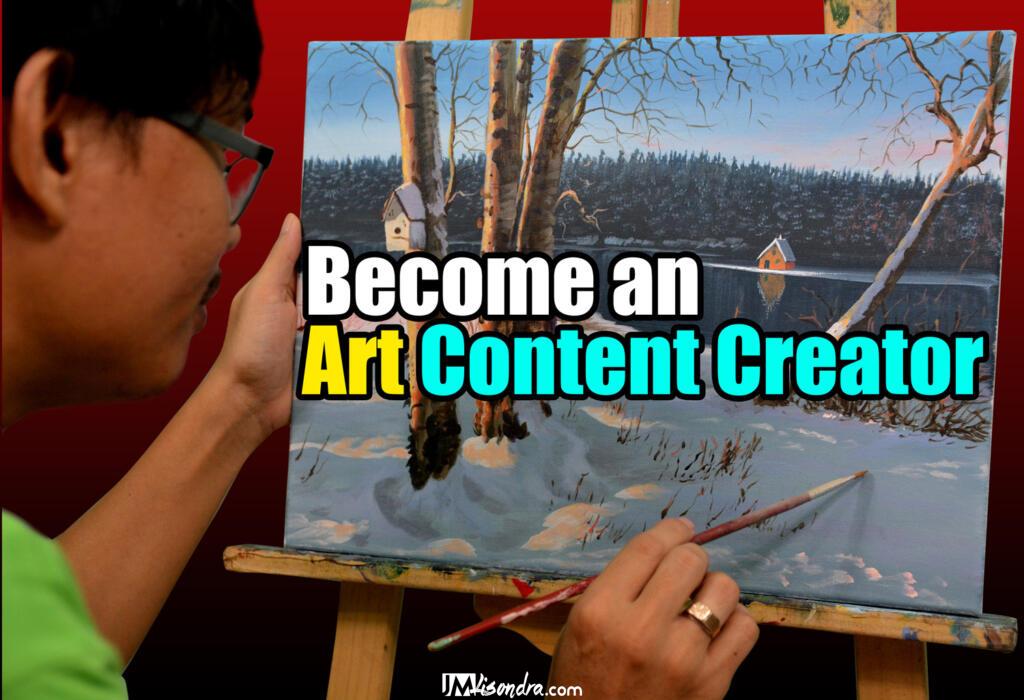
There are multiple ways to sell your artwork, including:
| Platform Type | Examples |
|---|---|
| Marketplaces | Etsy, Redbubble, Society6 |
| Own Website | Shopify, WooCommerce, Squarespace |
| Commissions | Social media, personal website |
| NFTs & Digital Art | OpenSea, Foundation, Rarible |
Besides selling artwork, you can generate income by:
Pricing your art is often tricky. Consider these factors:
Example Pricing Formula:
(Material Cost + Hourly Rate × Hours Spent) × Profit Margin = Final Price
Marketing is essential to make art as business. Here’s how to get started:
Making art a business is possible with the right mindset and strategies. By building an online presence, selling through various channels, and using smart marketing techniques, you can turn your passion into a full-time career.
Are you ready to start your art business? Let us know in the comments!
AI Painting vs Traditional Painting: Compare speed, creativity, uniqueness & value. Discover the pros & cons of both art forms in this in-depth guide.
The world of art is evolving rapidly with the rise of AI-generated artwork. Many artists and enthusiasts now find themselves comparing AI painting to traditional painting, weighing the pros and cons of each medium. In this article, we’ll explore the key differences, advantages, and limitations of both art forms.
AI painting refers to artwork generated by artificial intelligence using algorithms and machine learning. These AI models analyze vast amounts of artistic data to create original pieces, mimicking styles from classical to modern digital art. AI-generated paintings can be made in minutes, making the creative process more accessible than ever.
Traditional painting, on the other hand, involves physical materials such as acrylic, oil, or watercolor on a canvas. This form of art requires skill, patience, and years of practice. It embodies human expression, texture, and depth that AI may struggle to replicate authentically.
| Feature | AI Painting | Traditional Painting |
|---|---|---|
| Creation Time | Minutes to hours | Days to weeks |
| Skill Requirement | Minimal for users, but AI is trained on human-made art | Requires years of practice |
| Uniqueness | Often based on existing data, risk of repetition | Completely unique, handmade pieces |
| Emotional Expression | Lacks deep emotional connection | Rich in personal touch and expression |
| Customization | Highly adaptable with instant modifications | Customization requires manual effort |
| Market Value | Growing, but still debated in fine art | Established value in art history |
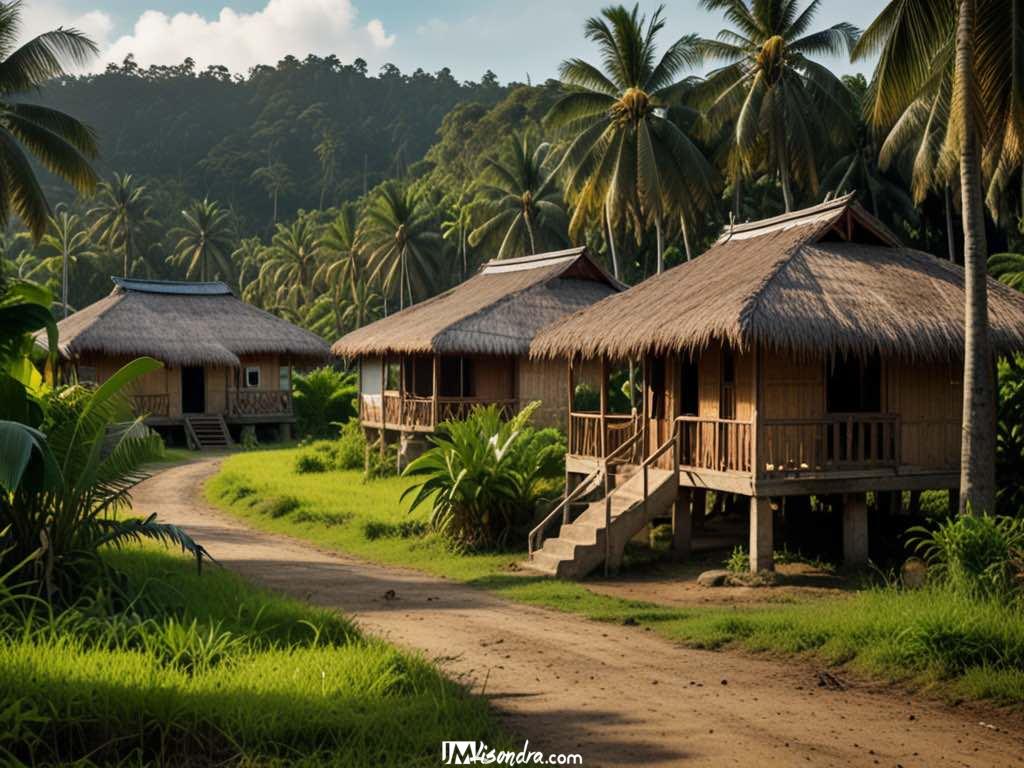
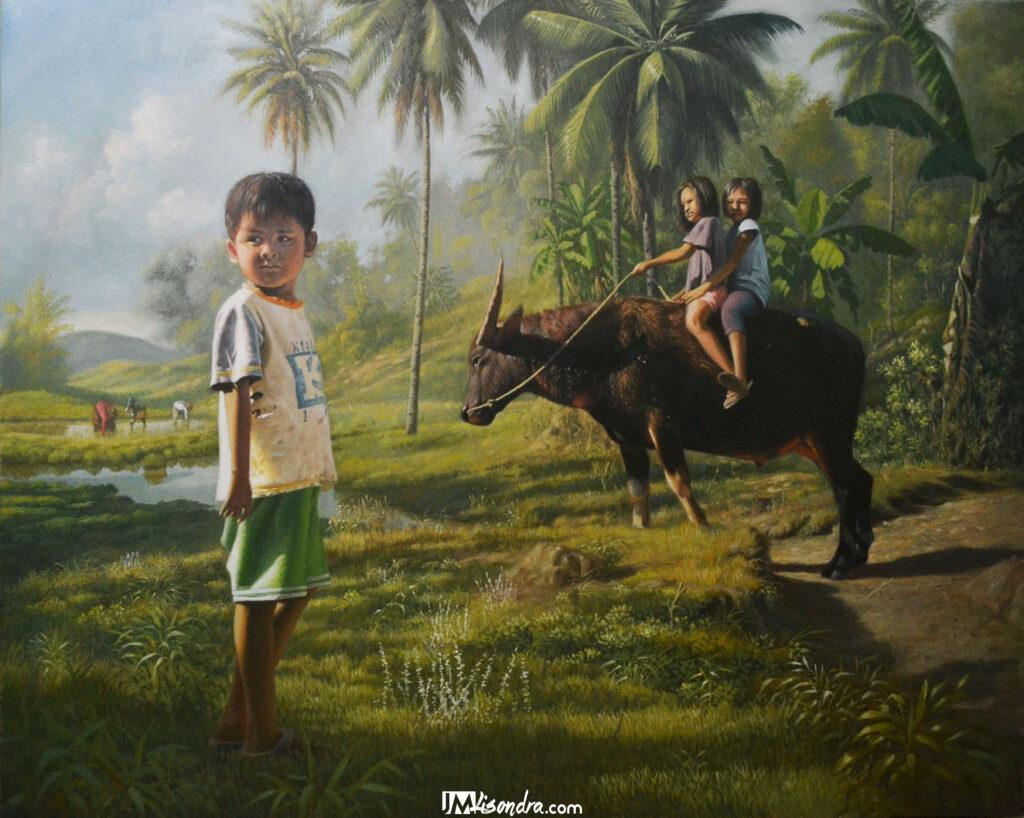
The choice between AI painting and traditional painting depends on your goals:
Both have a place in the modern art world, and many artists even blend AI-generated concepts with traditional techniques for unique results.
AI painting vs traditional painting is not about choosing one over the other but understanding their strengths and limitations. Whether you’re an artist exploring new tools or a collector valuing handcrafted art, both AI and traditional painting have a place in the creative world.
What’s your opinion on AI-generated art? Let us know in the comments below!
If you’re looking for inspiration, insight, and a glimpse into the lives of artists, there’s nothing better than watching movies about art. These films, often rooted in the struggles, triumphs, and creativity of artists, are perfect for sparking ideas and feeding your creative soul. Below is a list of 10 incredible art movies that every visual artist should watch.
Movies about art not only entertain but also educate. They provide visual artists with:
Whether you’re a painter, sculptor, or designer, these movies about artist life are sure to resonate with you.
Genre: Drama
Why Watch: This classic movie depicts the life of Michelangelo and his struggle while painting the Sistine Chapel. It’s a must-watch for anyone fascinated by the Renaissance era.
Notable Scene: Michelangelo arguing with Pope Julius II over artistic freedom is a powerful moment showcasing the tension between art and authority.
📺 Watch the trailer here
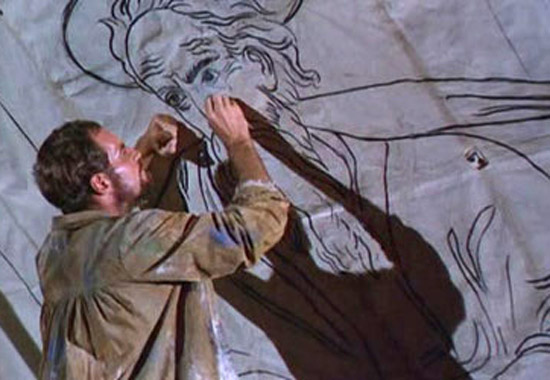
Genre: Biographical Drama
Why Watch: Salma Hayek delivers a stunning performance as Frida Kahlo, diving deep into the pain and passion of this iconic Mexican artist.
Highlight: The film’s vibrant visual style mirrors Frida’s surrealist and autobiographical art.
💡 External link: Learn more about Frida Kahlo’s life here.
Genre: Biopic
Why Watch: This movie portrays the life of abstract expressionist Jackson Pollock. From his rise to fame to his struggles with addiction, it’s an emotional journey into the life of an artist.
🎨 Art Tip: Abstract art lovers can take notes from Pollock’s unique drip painting technique.
Genre: Animation, Biography
Why Watch: The first fully painted animated film in history, this masterpiece pays tribute to Vincent van Gogh. Every frame is hand-painted in his signature style.
Fun Fact: Over 125 artists worked to create this film.
📊 Table: Loving Vincent Key Details
| Feature | Description |
|---|---|
| Technique | Oil painting animation |
| Artists Involved | 125+ |
| Runtime | 95 minutes |
Genre: Historical Drama
Why Watch: Inspired by Johannes Vermeer’s famous painting, this film explores the mysterious relationship between the artist and his muse.
Highlight: The cinematography beautifully replicates Vermeer’s play of light and color.
Genre: Biopic
Why Watch: This movie delves into the life of Jean-Michel Basquiat, chronicling his rise from a graffiti artist to a renowned painter in New York’s art scene.
Inspiration for Visual Artists: The film captures the vibrancy and raw energy of street art.
Genre: Biographical Drama
Why Watch: Directed by Tim Burton, this film tells the story of Margaret Keane and her struggle for recognition in a male-dominated art world.
Highlight: It’s a great commentary on artistic ownership and integrity.
Genre: Biopic
Why Watch: Willem Dafoe’s portrayal of Vincent van Gogh provides an intimate look into the artist’s mental health and creativity during his final years.
📺 Watch the official trailer here
Genre: Documentary
Why Watch: Banksy’s documentary offers a raw and often humorous look into the world of street art and commercialism.
🎥 Highlight: Explore how street art evolved into a global phenomenon.
Genre: Biographical Drama
Why Watch: A visual treat, this film portrays the life of J.M.W. Turner, a revolutionary painter of light.
🎨 Visual Artists’ Takeaway: The movie showcases Turner’s groundbreaking approach to landscapes and color.
Whether you’re searching for inspiration or seeking insight into the lives of iconic artists, these movies about art offer valuable lessons and breathtaking visuals. Watching them is like diving into a canvas, immersing yourself in stories of creativity, passion, and perseverance.
🎥 Related Reading:
🔗 External Resources:
Make sure to grab your favorite snack, set up your canvas for some quick sketches, and let these movies inspire your next masterpiece!
Don’t forget to subscribe to our newsletter for free painting tutorials and artistic inspiration.
Are you passionate about capturing the beauty of everyday objects on canvas? Whether you’re a beginner eager to explore the world of acrylic painting or an advanced artist looking to refine your skills, our comprehensive free painting tutorials are designed to guide you through the enchanting process of creating stunning still-life compositions. With easy-to-follow instructions and expert tips, you’ll learn how to paint still-life with precision and creativity.
Acrylic painting is a versatile medium that allows artists to explore a wide range of techniques, from delicate washes to bold impasto. Its quick-drying nature and vibrant colors make it an excellent choice for still-life paintings, where capturing the essence of objects with detail and depth is key. Our free acrylic painting lessons offer you the perfect opportunity to delve into this exciting art form, whether you’re just starting out or looking to enhance your skills.
We understand that learning a new technique can be daunting, which is why our free painting tutorials are structured to suit artists of all levels. Each tutorial is broken down into manageable steps, ensuring that you can follow along at your own pace and develop your own style. Below, we present three carefully selected lessons that cover different aspects of still-life painting.
In this tutorial, you will learn how to paint still-life with a focus on capturing the delicate beauty of flowers arranged in a glass jar. This lesson is perfect for those who want to master the play of light and transparency in their paintings. With detailed explanations on color mixing and brush techniques, this tutorial will guide you through the entire process, from sketching your composition to adding the final touches.
For those looking to challenge themselves, this real-time tutorial offers an in-depth look at painting metallic and glass objects. You’ll learn how to achieve a realistic shine on the silver teapot and the reflective qualities of the glass cup. This lesson is ideal for artists who want to develop their skills in rendering different textures and materials in acrylic painting.
This advanced tutorial takes you through the steps of painting a complex still-life composition featuring various food items. From the scales of the fish to the papery skin of the garlic, you’ll discover techniques for creating realistic textures and vibrant colors. This lesson is perfect for artists who are ready to take their still-life painting to the next level.
If you’re hungry for more easy acrylic painting tutorials, we have a wealth of resources available to help you continue your artistic journey. Our collection of free acrylic painting lessons covers a wide range of subjects and techniques, ensuring that you’ll find something to inspire you.
Explore more still-life acrylic painting tutorials here.
Our tutorials are designed to make still-life painting accessible to everyone. Whether you’re picking up a paintbrush for the first time or you’re a seasoned artist looking to refine your skills, our step-by-step approach ensures that you can achieve stunning results. Plus, with our free painting tutorials, you can learn at your own pace without any financial commitment.
Still-life painting is a timeless genre that allows artists to capture the beauty of the everyday. With our free acrylic painting tutorials, you’ll not only learn how to paint still-life but also develop a deeper appreciation for the art form. So grab your brushes and start your artistic journey today!
Subscribe and watch more on my youtube channel.
Waterfalls, with their cascading power and serene beauty, have captivated artists for centuries. Capturing their essence on canvas, however, can seem daunting. But fear not, aspiring landscape painters! This comprehensive guide will equip you with the skills and techniques to master waterfall painting in acrylics, transforming your blank canvas into a breathtaking masterpiece.
Before We Begin:

Step-by-Step:
1. Sketch the Landscape:
2. Establish the Background:
3. Paint the Rocks:
4. Capture the Power of Water:
5. Bring the Landscape to Life:
6. Enhance the Mood:
Pro Tips:
Tutorial Collections Below:
With dedication and these helpful steps, you’ll be well on your way to mastering the art of waterfall painting in acrylics. Remember, practice makes perfect, so grab your brushes, unleash your creativity, and let the beauty of cascading water flow onto your canvas!
Happy painting!
You can check my Youtube Channel for more FREE Lessons.
Art has been a form of expression for humans for thousands of years. From cave paintings to Renaissance masterpieces, art has evolved and changed with society. In recent years, artificial intelligence (AI) has emerged as a new tool for creating art. But how does AI art compare to traditional art? In this article, we will explore the similarities and differences between AI art and traditional art.

What is AI Art?
AI art is created using algorithms and machine learning techniques. It involves training a computer to recognize patterns in existing art and then generating new images based on that knowledge. The results can be unpredictable and often surprising, creating a unique form of art that is both innovative and thought-provoking.
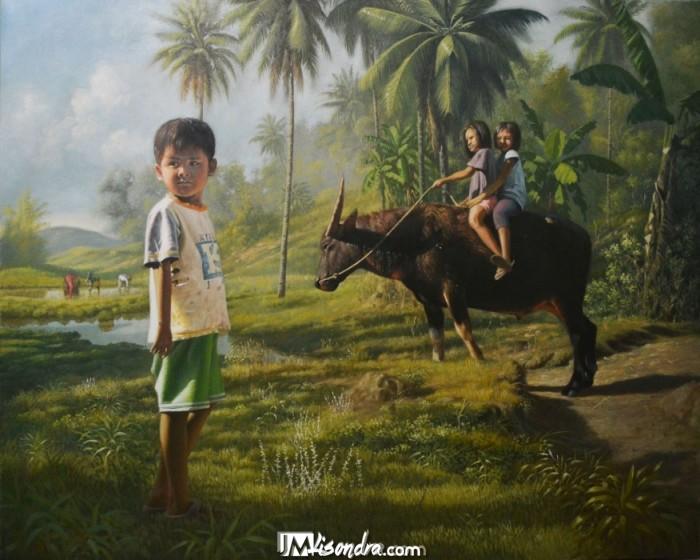
Traditional Art
Traditional art, on the other hand, is created by human hands and requires skill and creativity. It can take many forms, from painting and sculpture to drawing and printmaking. Traditional art often reflects the artist’s personal experiences and emotions, and can be deeply meaningful and impactful.
You can see more traditional art painted by jmlisondra here.
Similarities between AI Art and Traditional Art
Despite their differences, there are several similarities between AI art and traditional art. Both forms of art can evoke strong emotional responses and can be used to communicate complex ideas and emotions. They can also be used to express personal identity and cultural values.
Differences between AI Art and Traditional Art
One of the main differences between AI art and traditional art is the process of creation. While traditional art requires skill, creativity, and personal expression, AI art is created by algorithms and machine learning. This can lead to a lack of personal expression in the final product, which can be a downside for some art lovers.
Another difference is the level of control the artist has over the final product. Traditional artists have complete control over their work, from the initial sketches to the final product. With AI art, the artist creates the algorithm and trains the machine, but ultimately the machine decides the final outcome. This lack of control can be seen as both a positive and a negative, depending on the artist’s perspective.
Conclusion
AI art and traditional art are both valuable forms of expression, each with their own unique strengths and weaknesses. While AI art is innovative and exciting, traditional art remains a deeply personal and expressive form of art that has been appreciated for centuries. Whether you prefer one over the other or enjoy both, it’s clear that art continues to evolve and change with society, and we can expect to see many more exciting developments in the years to come.
Do you want to take art courses and elevate your art skills? You can check here jmlisondra’s online courses.


Comments